
More than 300 million people traveled internationally during the first three months of 2025, a 5% increase from the same period last year, according to new data released by UN Tourism. The latest figures, published in the May 2025 World Tourism Barometer, show international travel volumes have not only surpassed 2024 levels but are also 3% above pre-pandemic numbers.
The growth comes as UN Tourism presented Member States with a comprehensive progress report on its work over the past eight years, highlighting efforts to build a more innovative, resilient, and sustainable global tourism sector.
UN Tourism Secretary-General Zurab Pololikashvili said the organization has undergone a major transformation. “We have put tourism at the forefront of the global agenda to enhance its competitiveness and economic value,” Pololikashvili said. “And we have never lost sight of our key priorities: education, investments, sustainable and rural development, women empowerment, new technologies, and international expansion.”
Historic Nomination for Leadership
In a milestone for the organization, the Executive Council nominated Shaikha Nasser Al Nowais as the next Secretary-General of UN Tourism. If confirmed by the General Assembly, she will become the first woman to lead the agency in its 50-year history, beginning her term in January 2026.
An experienced Emirati business executive, Al Nowais currently serves as Corporate Vice President at Rotana Hotels, where she manages owner relations across the Middle East, Africa, Eastern Europe, and Turkey. She also chairs the Abu Dhabi Chamber’s Tourism Working Group and holds board positions with the Abu Dhabi Businesswomen Council and Les Roches Hospitality Academy. A graduate in finance from Zayed University, she brings over 16 years of leadership experience in hospitality.
Eight Years of Transformation
At the Council’s meeting in Segovia, Pololikashvili delivered a final report reviewing the organization’s key achievements under his tenure. Structured around UN Tourism’s approved Programme of Work, the report covered advances in tourism data and analytics, product development, investment, innovation, sustainability, and human capital.
Initiatives highlighted included the expansion of rural tourism programs such as the Best Tourism Villages and the STAR self-assessment tool, new projects in gastronomy and sports tourism, and the integration of artificial intelligence into tourism policy. The organization also reported record levels of foreign direct investment in tourism and significant growth in participation in its Online Academy and international training programs.
Expanding Global Reach
The Council also received updates on efforts to strengthen UN Tourism’s international presence through the development of Thematic and Regional Offices. A key development was the formalization of an agreement to establish the first UN Tourism Thematic Office on Innovation for Africa. The new office, located in Rabat, Morocco, will focus on advancing the organization’s 2030 Agenda for Africa and promoting tourism as a driver of innovation and development across the continent.
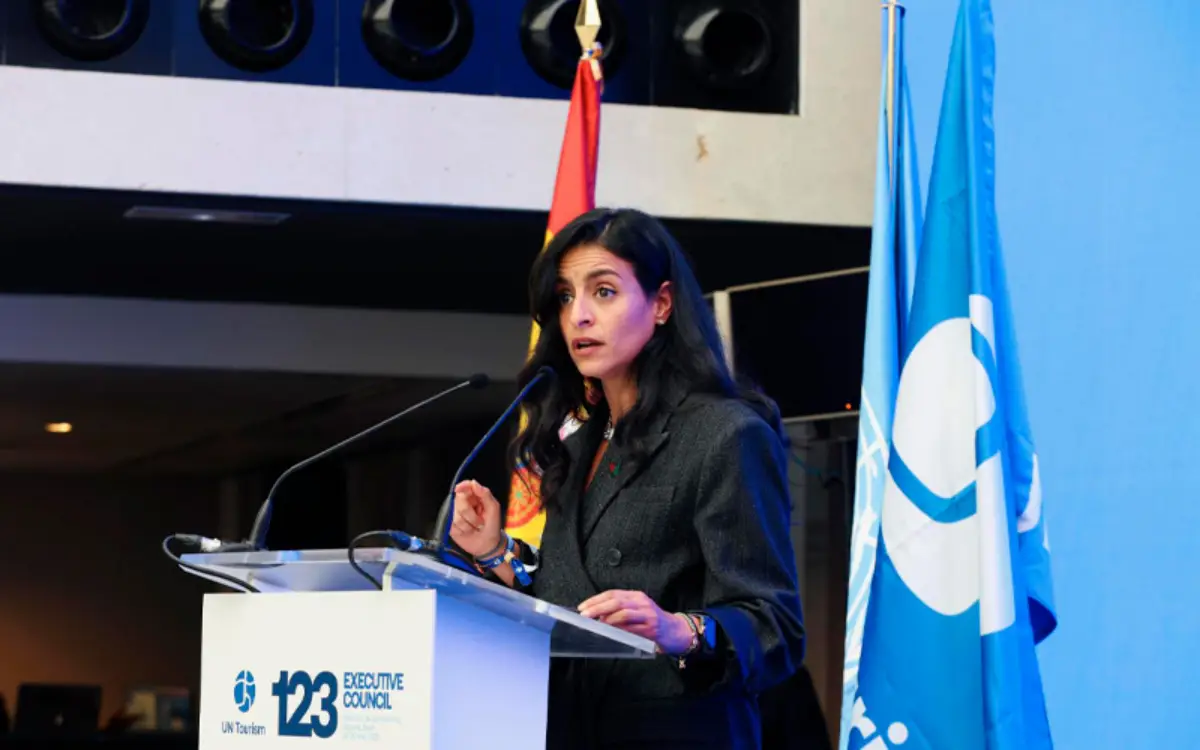
The agreement was signed by Secretary-General Pololikashvili and Fatim-Zahra Ammor, Morocco’s Minister of Tourism, during the Executive Council meeting.
As UN Tourism prepares for a leadership transition, officials expressed cautious optimism for the rest of the year, with continued focus on technology, inclusivity, and sustainable growth as global travel rebounds.